
AI for legal research that shows every source it read
Ask a legal question in plain English and Jural searches public US case law, statutes and regulations from public repositories, together with the materials your firm has uploaded. The answer lists every source searched in that run, links each statement to the exact passage it rests on, and tells you plainly when nothing relevant turned up. You read the authorities, you decide what to rely on.
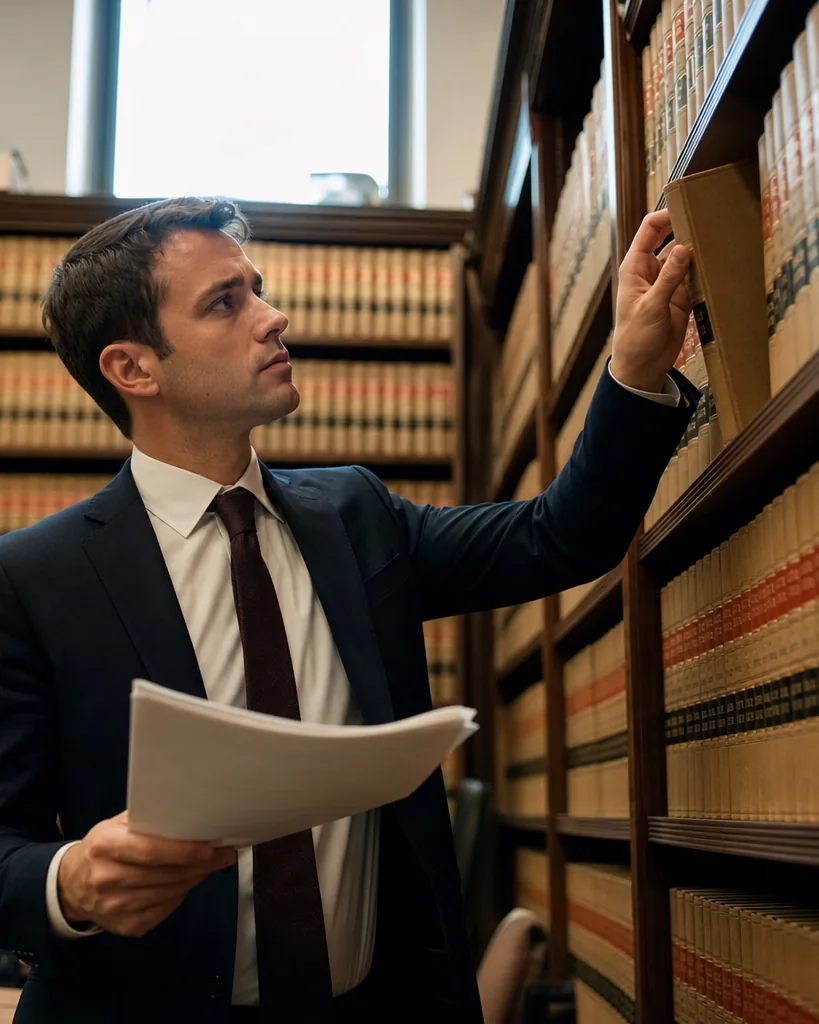
Research answers you can check line by line
Most research tools hand you a confident paragraph and leave you to work out where it came from. Jural works the other way around. It first gathers the material, then writes only what that material supports, and every sentence in the answer carries a link back to the opinion, code section or firm memo it came from.
- A source list at the top of every answer, showing each repository and document searched in that run
- Pinpoint links from each claim to the passage, so you land on the paragraph, not the first page
- Public US case law, federal and state statutes and regulations from public repositories
- Your firm's uploaded briefs, memos, prior research and matter documents, within the permissions of the person asking
- A clear "nothing relevant found" result when the search comes back empty, instead of a guess
- Jurisdiction and date filters, so a Texas question does not drift into California authority
What a research answer looks like
A typical answer opens with a short statement of the rule, followed by the supporting authorities in order of relevance, then any contrary or limiting authority the search surfaced. Each authority shows the court, the date and the passage Jural relied on. If the firm already wrote a memo on the same point, that memo appears alongside the public sources, with a link to the page.
How a research run works step by step
- You ask a question inside a matter or from the research tab, and optionally set jurisdiction, court level and date range
- Jural searches the public repositories and your firm library and shows the list of sources it is reading
- It reads the retrieved passages and drafts an answer built only from them
- Every sentence is linked to its passage, and statements without support are dropped rather than kept
- You open the passages, check the authority is still good law, and save the answer to the matter as a research note
- Follow-up questions build on the same source set, so the thread stays consistent
Built for verification, not for blind trust
Jural never invents citations. If a case is not in the sources it searched, it does not appear in the answer. That rule matters because a citation that looks real and is not real is the single most costly mistake an assistant can make in a brief. The attorney still verifies every authority before relying on it, checks subsequent history, and confirms the holding fits the facts of the matter. Jural shortens the path to the right passage. It does not replace the professional judgment that decides whether the passage carries the argument.
What Jural research does not do
- It does not search paid legal databases and does not claim to. It works from public US case law, statutes and regulations from public repositories and from what your firm uploads.
- It does not run a citator. Jural shows what it found, and the attorney checks whether an authority has been reversed, overruled or limited.
- It does not give legal advice. Every answer is a draft research note for attorney review.
- It does not guarantee completeness. If a relevant unpublished decision is not in a public repository, Jural cannot read it, and the source list shows you exactly what was covered.
Who uses research in Jural
Associates use it to get a first map of an issue before they open a treatise. Paralegals use it to pull statutes and regulations quoted in a demand letter or a complaint. Solo attorneys use it to answer a client question on a weekend without losing the thread of the matter. Partners use the firm library side to find the memo someone wrote three years ago on the same notice provision. Because the answer lives inside the matter, it sits next to the case chronology software timeline and the documents it relates to, and it can feed straight into a draft built with legal document automation software.
Research grounded in your matter
A research question asked from a matter can read the matter documents too. Ask whether the limitation clause in the supplier agreement is enforceable under the governing law named in that agreement, and Jural pulls the clause from the contract, the governing law clause, and the public authority on that kind of limitation, then links all three. The firm library is permission aware, so a question never surfaces a memo from a matter the person asking cannot open.
Research on every plan
Research is part of all three plans. Solo includes 30 research questions per user per month, Firm includes 100, Enterprise includes 250. Usage counts consumption in the billing period, so deleting a research note does not give questions back. Yearly billing is the default and saves 50 percent: Solo is $24 per user per month billed yearly ($288 per user per year), Firm is $49 ($588 per user per year), Enterprise is $99 ($1 188 per user per year). See ai legal assistant pricing for the full comparison.
FAQ
Public US case law, federal and state statutes and regulations from public repositories, and the documents your firm has uploaded, with the full list shown on every answer.
No, Jural never invents citations and only cites passages it actually retrieved in that run, each linked so you can read it.
Jural says that nothing relevant was found in the sources it searched and lists those sources, so you know where to look next.
No, Jural does not search paid legal databases, and many firms keep their existing subscription for citator checks and secondary sources.
The attorney verifies every authority before relying on it, because Jural supports lawyers and does not give legal advice.
Research with the sources in plain view
Create your account, open a matter and ask your first question. Every answer shows what Jural read and where each statement comes from.
Your documents are never used to train AI models. Every result is a draft for attorney review.